

You’re delivering real value. Your customers say they love what you do. But the numbers tell a different story.
So why aren’t they choosing you?
It’s one of the sharpest questions a business can ask — and the answer often lies deeper than product or performance.
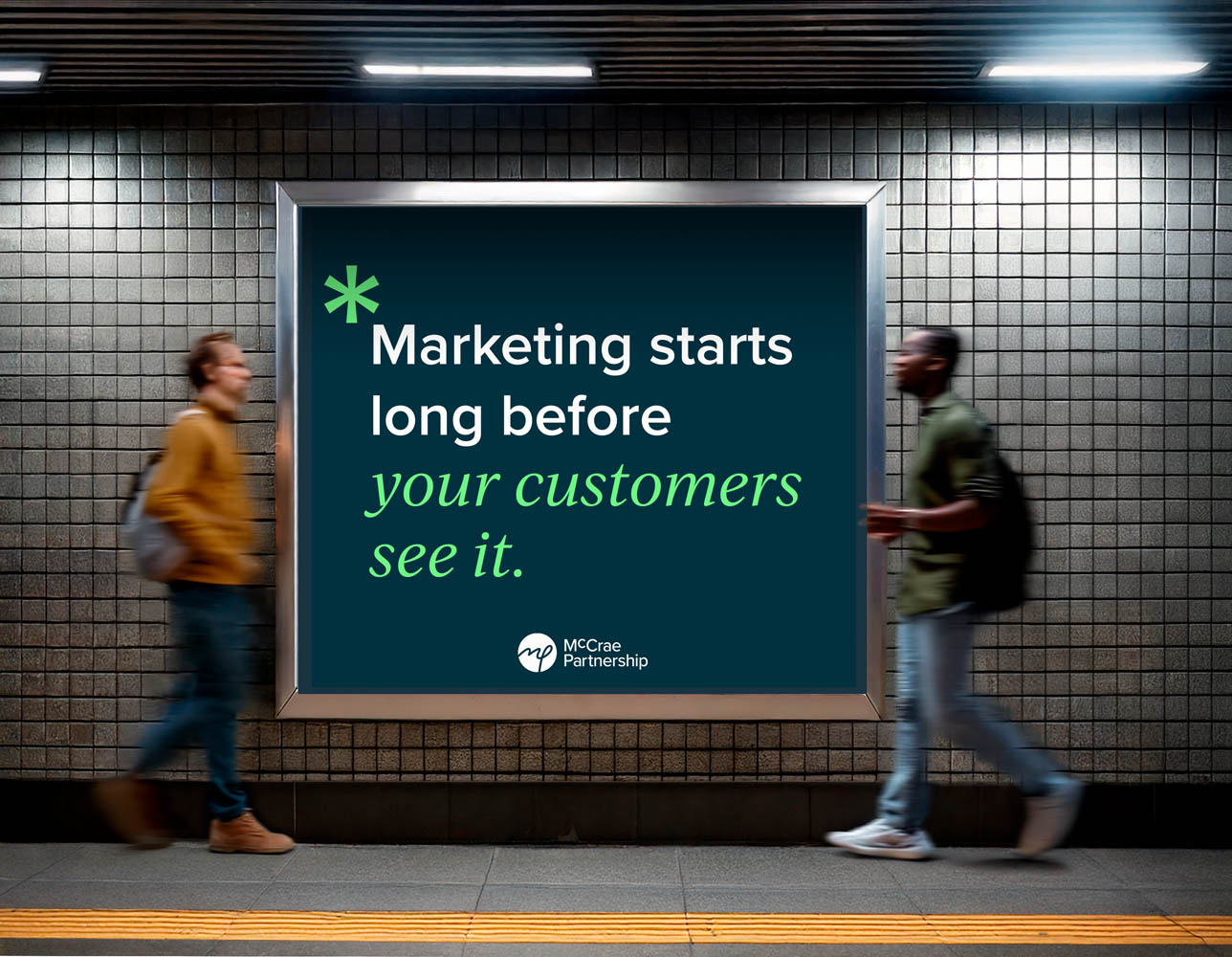
Here are ten strategic reasons why your revenue might be dropping … take a deep breath, we’re going in …
-
The most common reason: You may be offering brilliance, but your brand proposition isn’t communicated well.
- Your website is confusing or generic.
- Your messaging sounds like everyone else’s.
- You’re using jargon instead of speaking directly to the customer’s needs.
If customers don’t understand your value, they can’t choose you.
-
If you’re valuable but not distinct, customers will default to familiar competitors.
- You look and sound too similar to the competition.
- You’re competing on features that others also have.
- You’re stuck in the “sea of sameness.”
Michael Porter warned: ‘The worst error in strategy is to compete to be the best, rather than to be unique’.
-
Customers often go with whoever they remember first — not who’s objectively better.
- Weak brand presence
- Inconsistent marketing
- No word-of-mouth or social proof
Visibility often beats value when timing is everything.
-
Even great value gets ignored if the customer experience is frustrating.
- Slow website or app
- Too many steps to purchase
- Poor customer service
Customers don’t just buy value, they buy ease and trust.
-
They may not have the better product — but they’ve positioned it better.
- They’re clearer on benefits.
- They’ve built stronger relationships.
- They’ve created emotional resonance.
If you meet your customers in a place where they’re comfortable – online or in store and market to them in a tone that makes them feel safe and understood, they trust you and buy …
-
Sometimes you’re delivering value but not communicating it so your customers can’t justify the price tag or extend their budget for it.
- You’re priced too high for your industry
- Or too low, which undermines perceived quality
- Poor marketing communication and story elements which don’t justify the value in the cost
Pricing strategy is brand strategy — it signals value as much as it sets cost.
-
Even the most valuable offering will fall flat if you’re chasing the wrong customers.
- You’re chasing customers who don’t care about your differentiators
- You’re using marketing channels your ideal audience doesn’t use
- You haven’t researched your customers to know how to appeal to their needs
Strategic targeting matters just as much as your product.
-
People often don’t choose new or unknown brands because of risk aversion.
- No testimonials, reviews, or case studies
- No trust signals (like certifications, guarantees, or partnerships)
- Weak brand reputation
Remember: if you don’t have a physical shopfront, your online presence needs to work twice as hard to build trust.
Consistent team bios, supply-chain transparency, and strong third-party reviews all matter more than you think.
-
If you’re early to market with an innovation, customers may not yet understand or believe in the value.
- You’re ahead of the curve
- There’s a lack of education or market readiness
- People may not know how to categorise or search for you in store or online
If you’re early to market, customers might not yet understand or believe in your offer.
Your role shifts from marketing to education. Collaborations can double your reach — just align with partners who share your purpose.
-
Sometimes your offer is valuable for a different marketplace than you first imagined
- Misaligned product-market fit
- You’re answering a question your customers are not asking
- Perhaps you’re solving a problem your customers don’t know they have

"There’s nothing more wasteful than doing efficiently what should not be done at all"
Strategy isn’t just about what you sell — it’s about knowing why it matters now.
Sometimes, the most strategic move is to stop solving the wrong problem.
In conclusion …
When customers stop choosing you, it doesn’t always mean you’re doing something wrong — it might mean your strategy hasn’t caught up.
The solution isn’t louder marketing or more activity; it’s clarity, differentiation, and alignment.